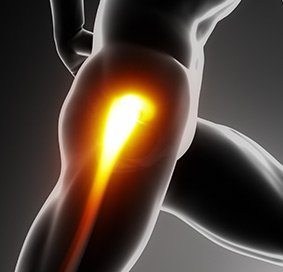
What is Nonoperative Management of Hip Arthritis?
Nonoperative management of hip arthritis refers to treating hip joint pain and stiffness without surgery, aiming to relieve symptoms, improve mobility, and slow disease progression - especially in early to moderate cases of hip arthritis.
What is Hip Arthritis?
Hip arthritis is a condition where the cartilage cushioning the hip joint gradually wears down, leading to pain, stiffness, and reduced movement. The most common type is osteoarthritis, caused by age-related wear and tear. It can also result from inflammatory conditions like rheumatoid arthritis or previous injury. Over time, the joint becomes inflamed and less flexible, making activities like walking or bending difficult.
What Does Nonoperative Management of Hip Arthritis involve?
Nonoperative (conservative) management of hip arthritis typically involves the following:
Weight Management
A couple of pounds of body weight lost can reduce the load on the hip joint by roughly 6 to 12 pounds per step. Even small amounts of weight loss can significantly ease pain and help slow cartilage deterioration.
Exercise and Physical Therapy
Building strength in the muscles surrounding the hip, especially the gluteal muscles, hip abductors, and core, helps reduce stress on the joint and enhances stability. Low-impact activities like swimming, cycling, and walking support joint health and weight control, while a physical therapist can create a personalized program based on your current abilities and goals.
Oral Analgesics and Anti-Inflammatories
Medications like Paracetamol, topical NSAIDs, and oral NSAIDs such as Ibuprofen or naproxen can offer effective short-term pain relief. However, prolonged use of oral NSAIDs may pose risks, especially to the stomach and cardiovascular system, and should be used with caution.
Activity Modification and Pacing
Finding the right balance between activity and rest, avoiding high-impact strain during flare-ups, and using supportive footwear or a walking aid, when necessary, can help control daily symptoms without overly limiting your lifestyle.
Corticosteroid (Steroid) Injections
A hip injection typically combines a corticosteroid with a local anaesthetic. Delivering the medication directly into the joint targets inflammation more effectively and with fewer whole-body side effects than oral drugs. Most people experience noticeable relief within a few days, with benefits often lasting from about six weeks to six months.
Hyaluronic Acid Injections (Viscosupplementation)
Hyaluronic acid is a naturally occurring component of healthy joint fluid that functions as both a lubricant and a shock absorber. Injecting it into the hip helps restore depleted levels and improve the joint’s cushioning. The effects usually appear more gradually than with steroids, but relief often lasts longer- commonly six months to a year or even more.
Platelet-Rich Plasma (PRP) Injections
Platelet-rich plasma (PRP) is a regenerative therapy created from a small sample of the patient’s own blood. This concentrated plasma, rich in growth factors, is injected into the hip joint to promote natural healing and reduce inflammation. Since it comes from the patient’s own blood, the risk of allergy or rejection is extremely low.
Summary
Nonoperative management of hip arthritis (commonly due to Osteoarthritis) focuses on relieving pain and preserving joint function without surgery. It combines lifestyle changes, physical therapy, weight management, medications like Paracetamol or Ibuprofen, and sometimes joint injections. The goal is to improve mobility, reduce symptoms, and delay or avoid the need for hip replacement while maintaining quality of life.
If you wish to be advised on the most appropriate treatment for your hip or knee condition, please call to schedule an appointment or request an appointment online.